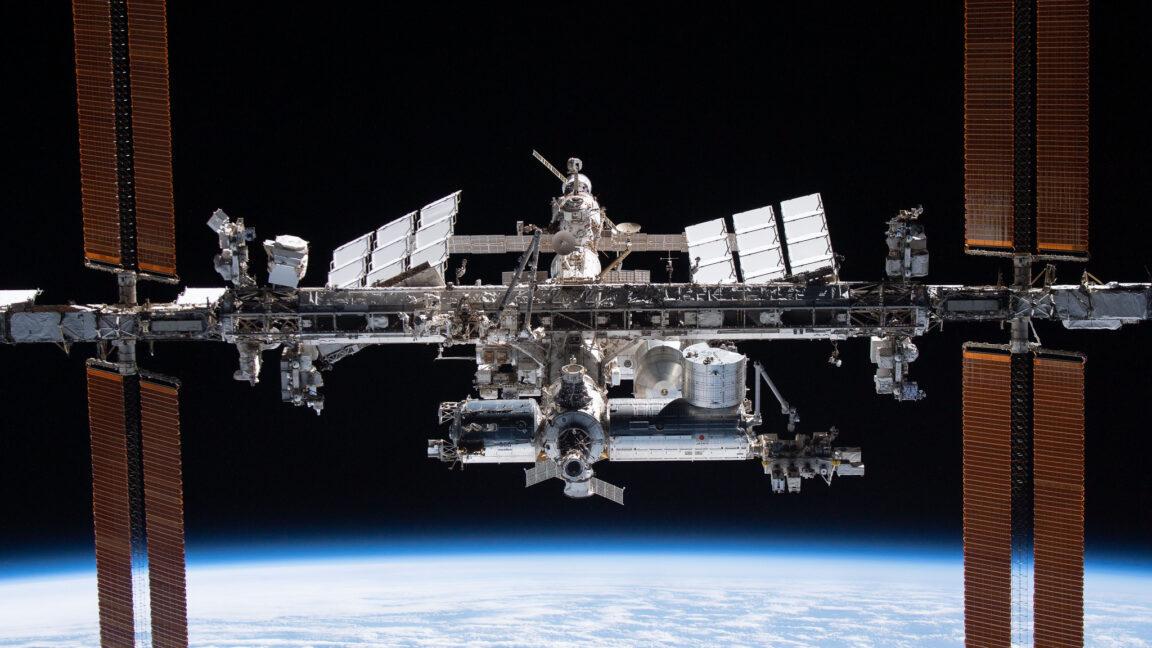
NASA has released its planning document for private space stations, providing extensive guidance — and a substantial number of requirements — to the companies competing for contracts.
Requirements are the key element of a NASA planning document like this, serving as the bureaucratic currency by which NASA buys off on the safety of a spacecraft. They cover specifics such as the amount of habitable volume the agency requires. Generally, companies prefer fewer requirements, as that allows more freedom for design and innovation. More requirements give NASA engineers greater control over vehicle design.
Industry Reaction to Requirement Volume
Several companies were shocked by the number of requirements in the NASA documents. One participant estimated there are more than 3,000 requirements — far above the hundreds companies had hoped for. Some requirements appear particularly strict. For example, on page 50 of the 246-page “contract data requirements list,” NASA’s chief information officer must apparently approve all software purchases a company makes.
Reads Like a Cost-Plus Contract
“It’s got all the requirements, deliverables, and clauses of a cost-plus contract, but they are stuffed into a firm fixed-price bag,” said Phil McAlister, NASA’s former chief of commercial spaceflight and the original architect of NASA’s private space station program. “That would be OK if NASA were willing to pay for all that.”
McAlister added that NASA does not appear willing to do so.
The document also leaves companies with unresolved questions, including how much total funding is available — potentially as much as $1.5 billion over five years, or substantially less — and how many companies will share that funding. Two winners would likely make the budget workable; three or more could stretch it too thin.
“At least the draft RFP is out now, so industry finally knows what NASA is asking of them,” McAlister said. “But the budget and lack of a long-term contract shows that NASA is still not fully committed to this program.”
What Comes Next
This document is a draft RFP, and NASA will now accept feedback from the US space industry. A final RFP could arrive as soon as September, after which companies would be able to submit bids. Contract awards could follow next spring.